OUR GOALS
Sustainability at Thermotraffic – Responsibility with System
Since 2014, Thermotraffic has been committed to more sustainable logistics as part of the Lean and Green initiative. In 2019, we were already able to reduce our greenhouse gas emissions by 30 % compared to 2014. Our company was awarded the Lean and Green 1st Star by GS1 Germany for this measurable progress.
The goal is the continuous reduction of fossil fuel consumption (diesel and gasoline) as well as the ongoing improvement of energy performance within the truck and passenger car fleet.
Based on the the baseline year 2023, the aim is to reduce average fuel consumption by more than 3% in the truck segment and by more than 10% in the passenger car segment by 2030. The energy performance indicator (EnPI), measured in liters per 100 km, is used for evaluation.
Achievement of the targets is supported by the following measures:
- Driver training in fuel-efficient driving
- Optimization of route planning (reduction of empty runs, route optimization)
- Increase in vehicle utilization
- Use of more fuel-efficient and lower-emission vehicles
- Regular maintenance and tire pressure checks
- Gradual modernization and—where economically viable—electrification of the fleet
Target achievement is monitored at least annually based on the defined energy performance indicators. The results are evaluated within the framework of the continuous improvement process (PDCA cycle). In the event of deviations from the target path, causes are analyzed and appropriate corrective and improvement measures are defined.
The responsibility for tracking these targets lies with the fleet management team, in close coordination with sustainability and energy management.
In 2025, compared to the baseline year of 2023, a fuel reduction of of 2.74% in the truck segment and 7.99% in the passenger car segment was achieved.
The previously pursued uniform target of an annual fuel reduction of 2–4% was adjusted, as it did not sufficiently account for operational fluctuations (e.g., capacity utilization, route structure, or vehicle changes). The multi-year target approach and differentiated objectives enable a more realistic assessment of energy performance and more effective management of measures.
We are pursuing a multi-stage strategy to achieve our long-term goals: In addition, to avoiding and reducing unnecessary emissions, we plan to gradually increase the offsetting of unavoidable emissions from 2030 onwards.
Our goal: Climate neutrality (Scopes 1+2) by 2050.
Economic Sustainability – Quality that lasts
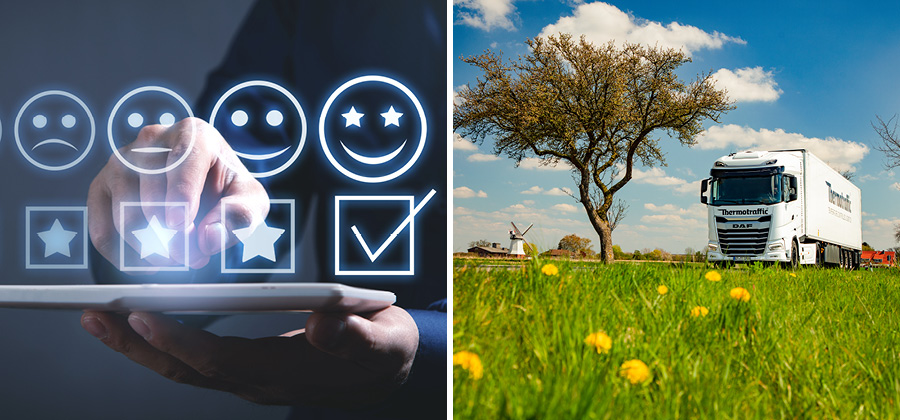
For us, sustainability not only means ecological responsibility, but also economic reliability and lasting customer satisfaction. A key indicator of this is our complaint rate, which we have been consistently monitoring and systematically reducing for years.
With a ratio of 0.010 % in 2023 and 0.021 % in 2024, we are still well below our self-imposed target of < 0.03 % – a clear evidence of our high quality standards in day-to-day logistics practice.
Additionally, our regular conducted customer satisfaction surveys also confirm our actions:
- 2023: Grade 1.65
- 2025: Grade 1.59
The improvement compared to 2023 shows that our measures are having an impact and are recognized by our customers. Our aim is to continue to achieve a grade of at least 2.0 in the future – and thus ensure a consistently high level of customer satisfaction.
Our entitlement: We combine economic efficiency with sustainable service quality – through optimized processes, avoidance of errors and a consistent focus on long-term customer retention and resource conservation.
Social Sustainability – satisfaction that connects
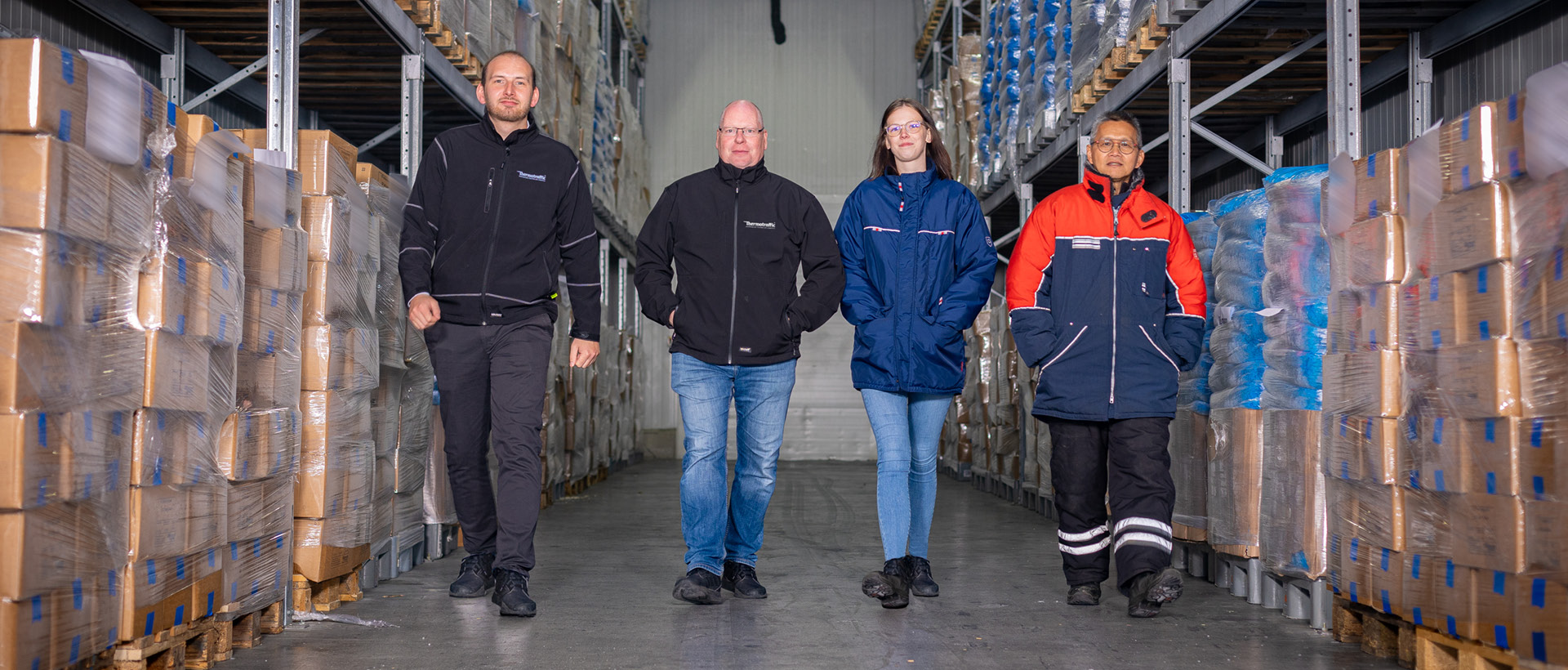
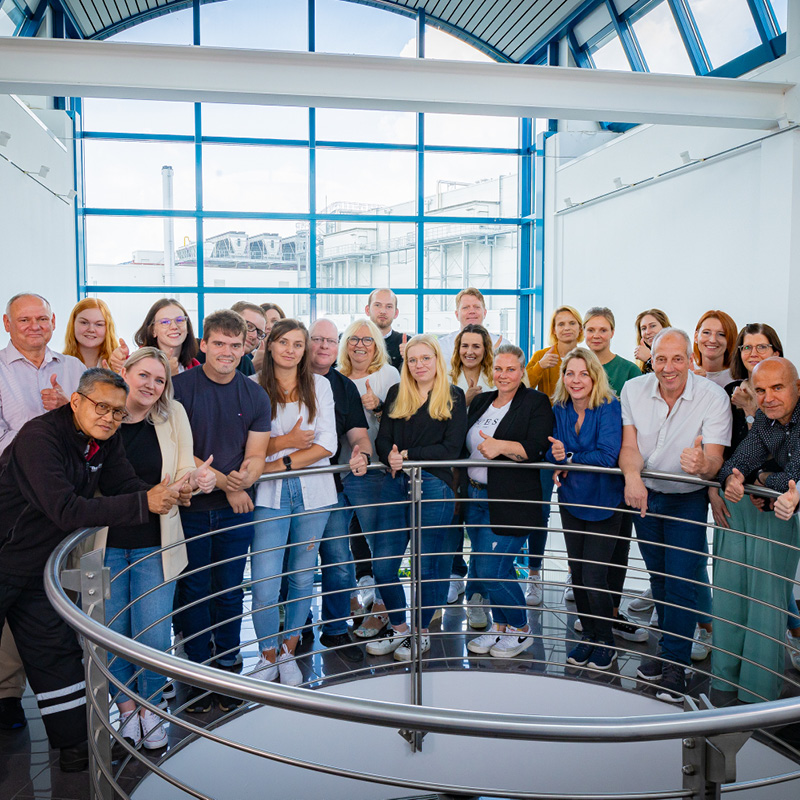
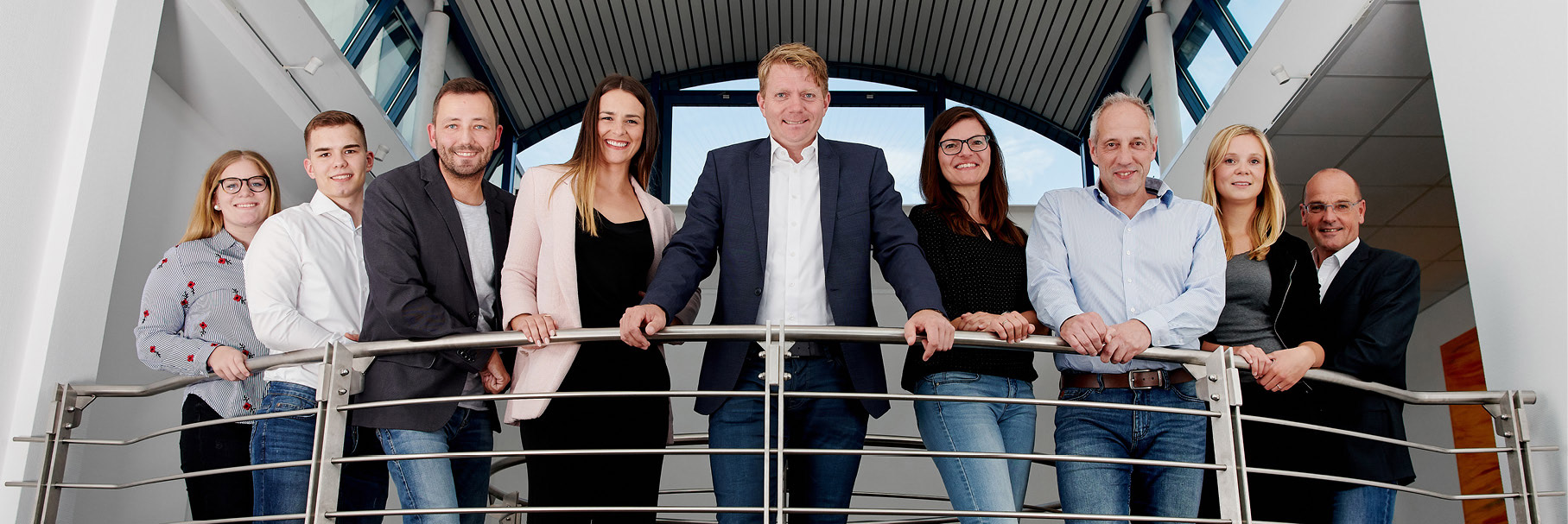
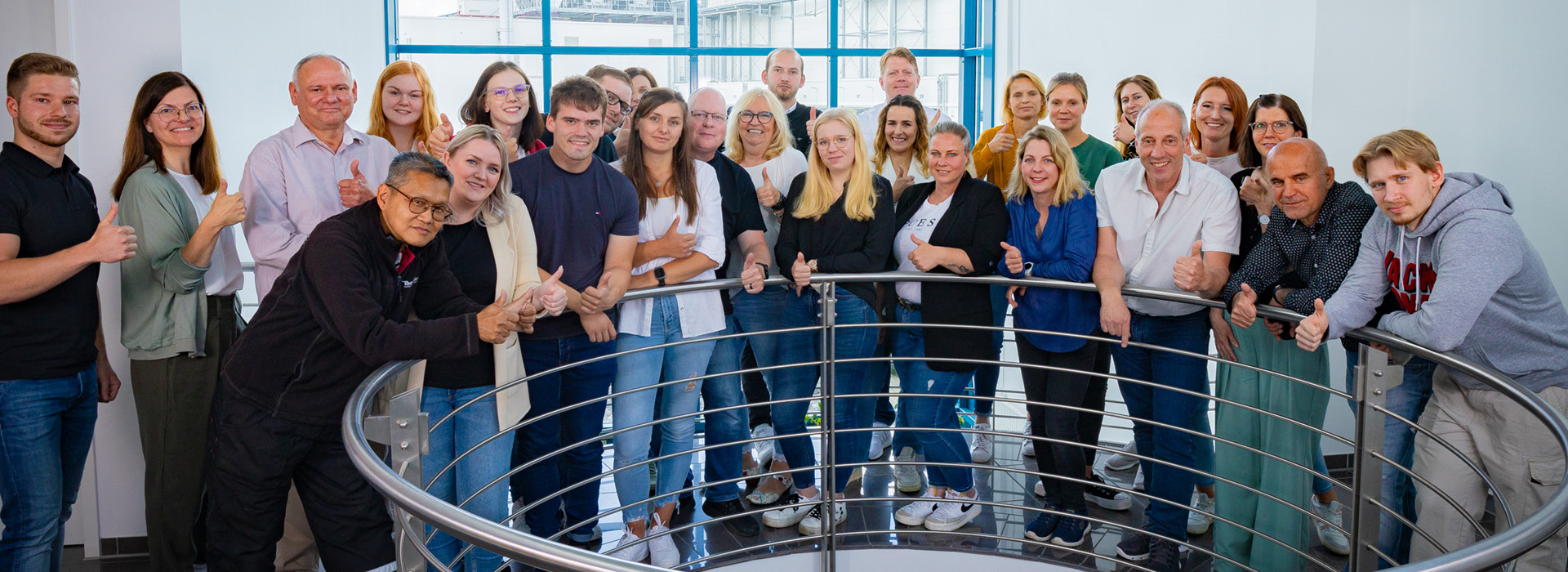
Our employees are the foundation of our success. Only if they feel comfortable, valued and listened to, our company can continue to develop positively in the long term. This is why employee satisfaction is the center of our social sustainability strategy at Thermotraffic.
A reliable indicator of this is our staff turnover rate, which we have been continuously monitoring and actively influencing for years. Our aim is to keep this below 1 % in the long term – as an expression of a stable, healthy working environment.
The figures speak for themselves:
- 2021: 0.79 %
- 2022: 0.75 %
- 2023: 0.52 %
- 2024: 0.50 %
- 2025: 0.25 %
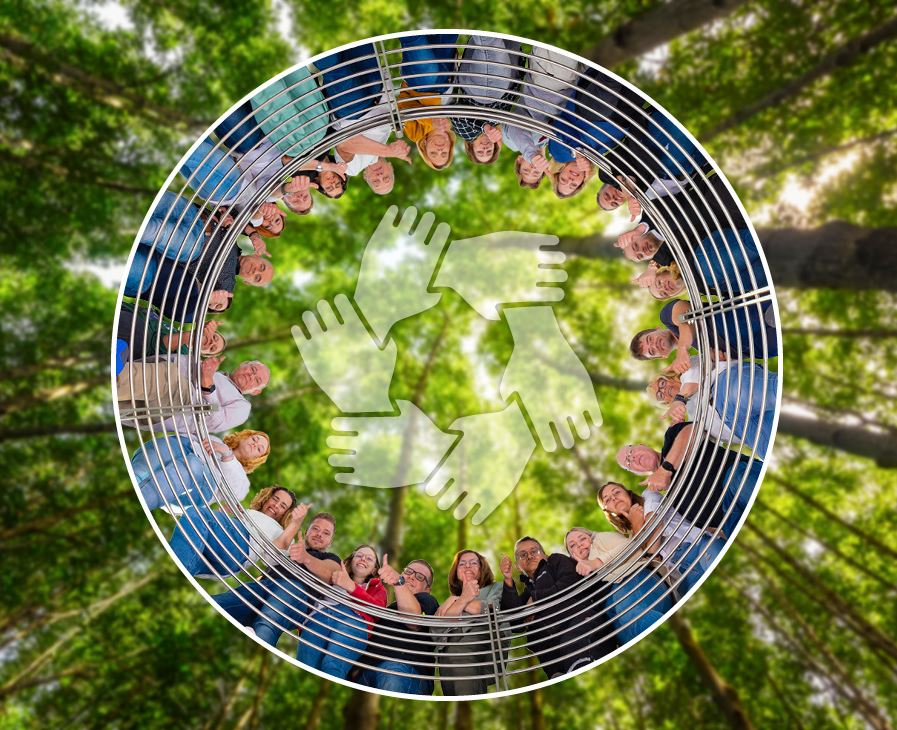
This development confirms our measures such as flexible working time models, targeted training programs, regular feedback formats and a strong team spirit.
Our aim: We want to continue to create a working environment that retains people in the long term – with fair conditions, mutual respect and real perspective.







 We have the timing down to a tee.















 Sustainable awareness every single day!